Off-Grid Purge Mode: home backup power for when the grid goes down
Emergency power for your home. A battery and inverter that keep the lights, the fridge, the boiler and the internet on in a power cut. Or go further, with a full off-grid solar and battery system.
Photographs: illustrative library images. Not necessarily our installs.

NICEIC registered · 118 five-star reviews · 10-year workmanship guarantee
Power cut backup battery for your home
The UK grid is ageing in places, and power cuts happen. Storms, faults and works on the network can all leave a street without power. Most cuts are short. Some are not.
A backup battery keeps the circuits that matter running. Lights. The fridge and freezer. The boiler controls, so the heating still works. The router, so you can still work and stay in touch.
When the grid fails, the inverter isolates the house safely and runs those circuits from the battery. When the grid comes back, it switches back and recharges. No fuss. No noise.
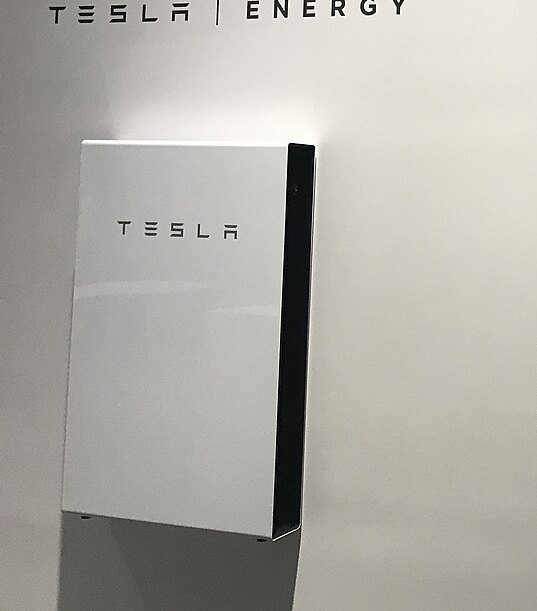
Illustrative photograph of a home battery. Not necessarily our install.
Emergency power supply: three levels
Pick the level of blackout protection that suits the house.
Essential backup
A battery and backup inverter on a few key circuits. Lights, fridge, boiler, router. The house stays on the grid day to day.
Solar and battery backup
Add solar so the battery can recharge in daylight during a longer cut. Still connected to the grid the rest of the time.
Full off-grid
Solar, battery and inverter sized to run the house, with generator backup for winter. The home does not take its supply from the grid.
Off-grid solar battery systems in Birmingham
An off-grid system makes the electricity the house uses. Panels charge a battery through an inverter. The inverter runs the circuits in the house.
We size it for December, not for a bright afternoon in June. We start with what the house uses in kilowatt-hours a day in the darkest months. A British winter has short days and weak sun. An array that covers summer will not cover December. The answers are a larger array, a larger battery, using less, and a generator.
If you are staying connected and want a battery that charges overnight, see AC-Coupled Night-Time Download.
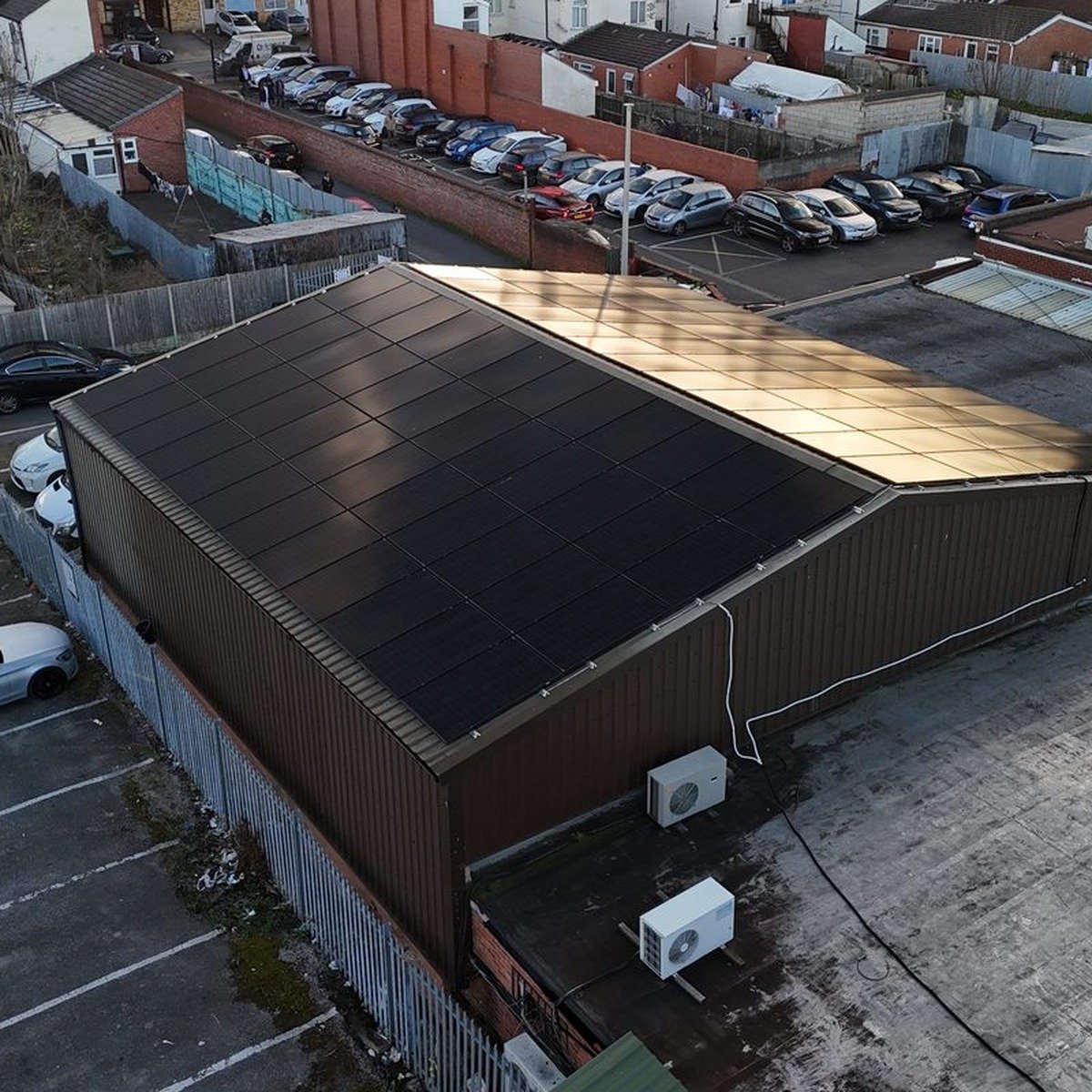
Illustrative photograph of solar panels. Not necessarily our install.
Generator backup
A generator is optional. It is the honest backup when the sun is not enough, or when a cut runs long. It charges the battery. It is connected through proper changeover equipment, never back-fed through a socket. It needs a safe place, fuel and servicing.
You can run without one if you accept that some winter days will run short. Most homes that want power every evening need it for part of the winter.
The grid, G98 and G99
If the house stays connected, or the inverter can run in parallel with the grid, the connection rules apply. Smaller type-tested equipment is usually a G98 notification, up to 16 amps per phase. That is 3.68 kW on a normal single-phase supply. Above that, G99 is the application made before connection. If export is capped, G100 sets the limit. A system with no connection to the network is not a G98 or G99 connection.
Coming off an existing supply is not a matter of turning the main switch off. The supplier and the DNO are involved. The wiring in the house is still done to BS 7671, and notifiable work is still certified.
BPEC-qualified solar installer, installs MCS certified through Greenwatt Energy. Solar and battery installs both go through that route. We are NICEIC registered for the electrical work. Nearly 30 years’ experience. £10m public and employers’ liability insurance. Our workmanship guarantee is 10 years. Equipment warranties are the manufacturer’s, and they vary.
Price: call for a fixed quote. It depends on the circuits backed up, the battery, any solar, and whether a generator is included. The figure comes after a survey.
Home backup power: quick answers
What is home backup power?
A battery and inverter that keep chosen circuits running when the grid fails. Lights, the fridge, the boiler controls and the internet router are the usual ones. When the power comes back, the system switches back and recharges.
Will a power cut backup battery switch over by itself?
Yes, if the inverter is built for backup and the circuits are wired for it. Most switch in seconds or less. Some are near-instant. We tell you which kind you are getting before we fit it.
How long will it keep the house running?
It depends on the battery size and what is switched on. A fridge, lights and a router use little. Electric heating, showers and ovens use a lot. We size the battery around the circuits you choose, so you know roughly what to expect.
Can I add a generator for backup?
Yes. A generator can charge the battery during a long cut or through the winter. It must be connected through the right changeover equipment, never plugged into a socket. It needs a safe place, fuel and servicing.
Can I go fully off-grid?
Yes. Solar, a battery and an inverter, sized for December, usually with a generator for the darkest weeks. The supplier and the DNO are involved in taking a supply off the network. The wiring is still done to BS 7671.
Do G98 and G99 apply?
If the house stays connected, or the inverter can run in parallel with the grid, yes. Smaller type-tested equipment is usually a G98 notification. Larger systems need a G99 application before connection. A system with no grid connection is not a G98 or G99 connection. We deal with the DNO.
What does it cost?
Call for a fixed quote. It depends on the circuits you want backed up, the battery, any solar, and whether a generator is included. The figure comes after a survey.
Who does the work?
BPEC-qualified solar installer, installs MCS certified through Greenwatt Energy. We are NICEIC registered. Nearly 30 years’ experience. £10m public and employers’ liability insurance. Birmingham and the West Midlands.